Posted on

Training Review – Ed’s Manifesto – Mixed Skills Module in Washington, DC

The Sneak Reaper – Ed’s Manifesto

Over the weekend of 9-12 February, 2018, I travelled to Washington, DC & Alexandria, VA to train at District Combatives’ hosting of Ed Calderon (of Ed’s Manifesto), who was conducting a Mixed Skills module of training.

The trip down to DC from Toronto was relatively uneventful.  I got in early on Friday and spent the day sightseeing and getting the lay of the land in and around the area where we would be training.  I wasn’t sure as to what the training would entail, so with a map from the hotel front desk and my trusty feet, I learned the area around the training location and did some touristy things.

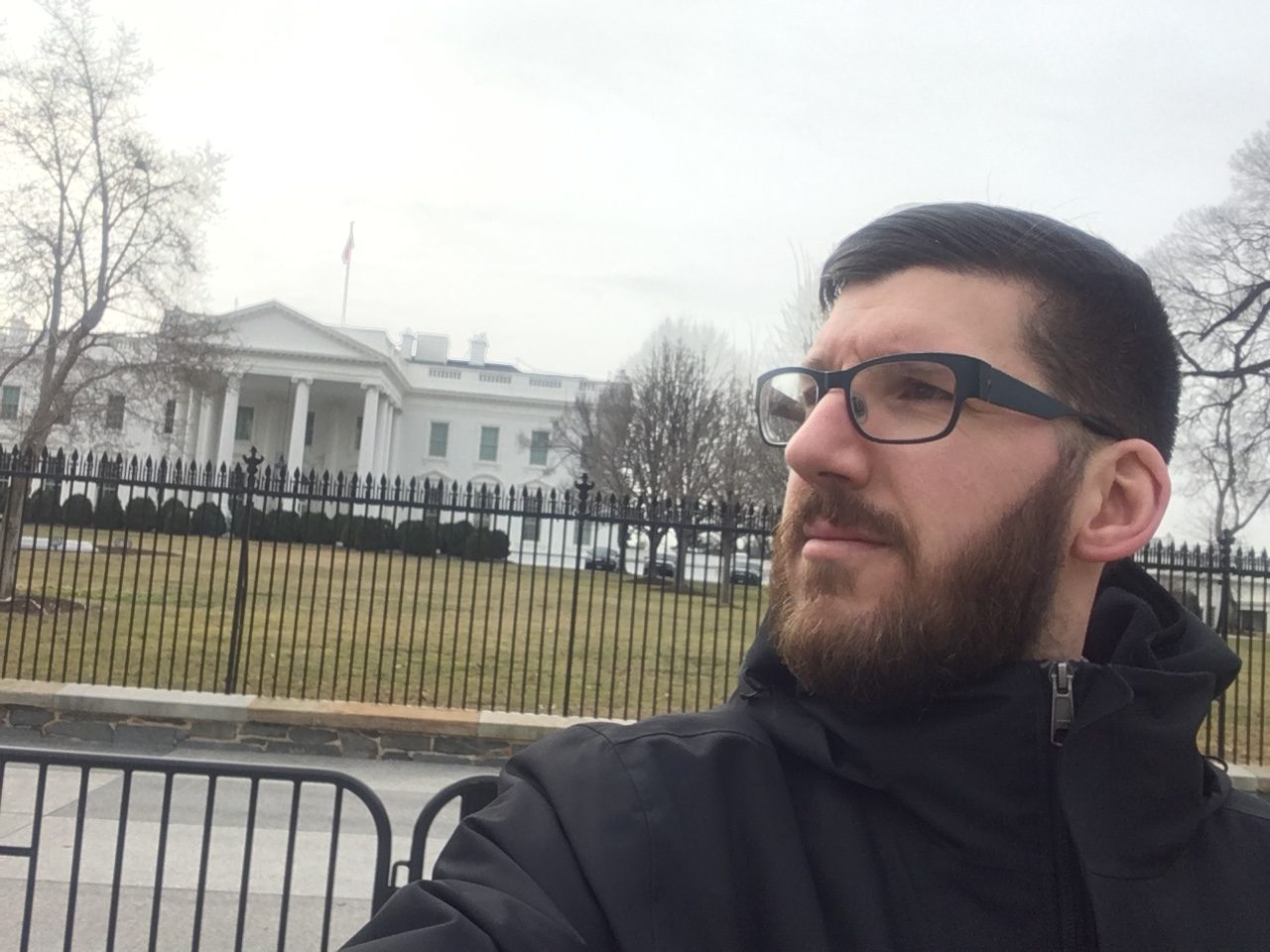
White House. One of the Secret Service guys gave me a great recommendation for breakfast 2 blocks away. He wasn’t wrong. Thanks Jerry!
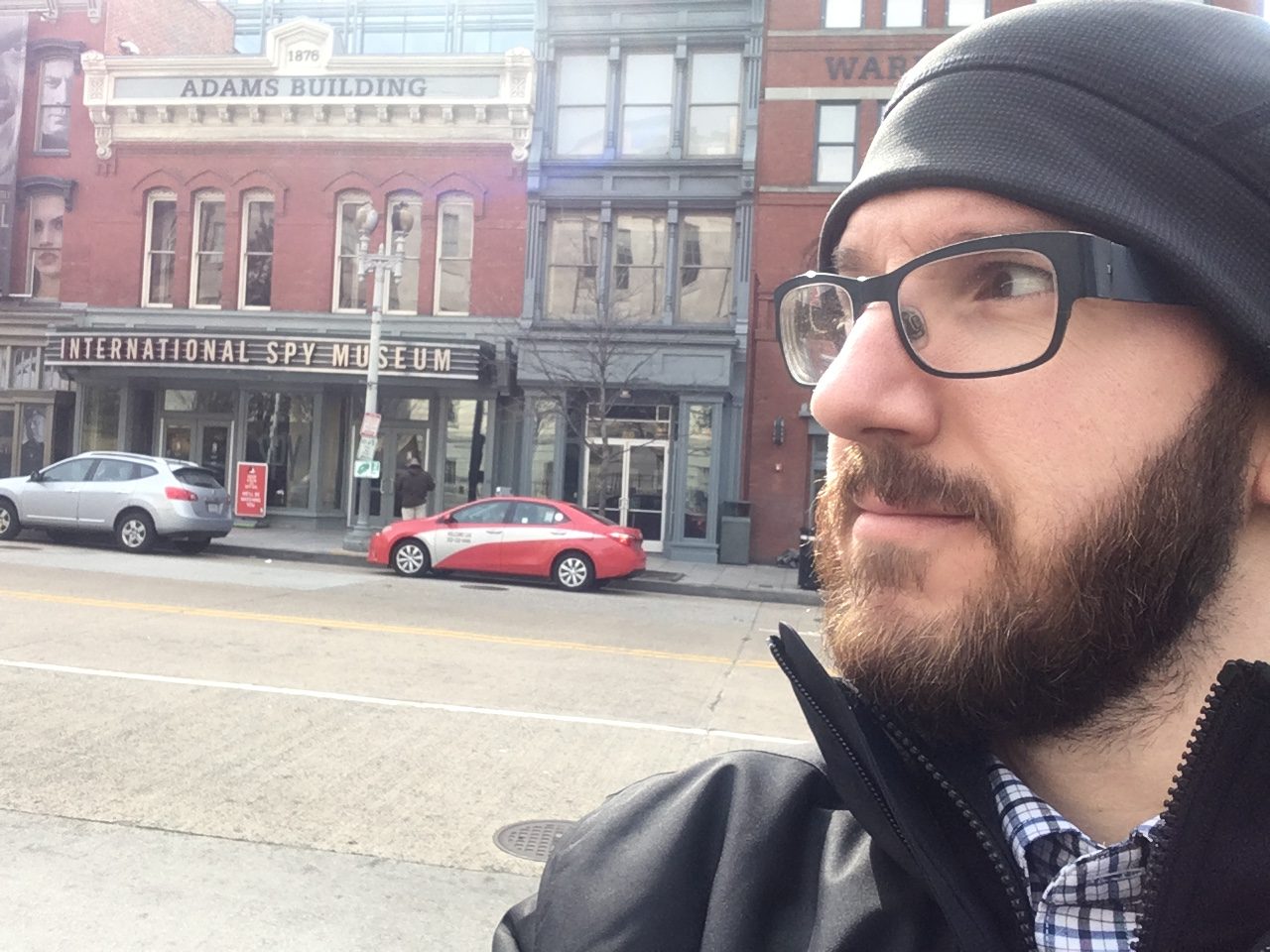
The Spy Museum. You can’t not visit if you’re in DC.
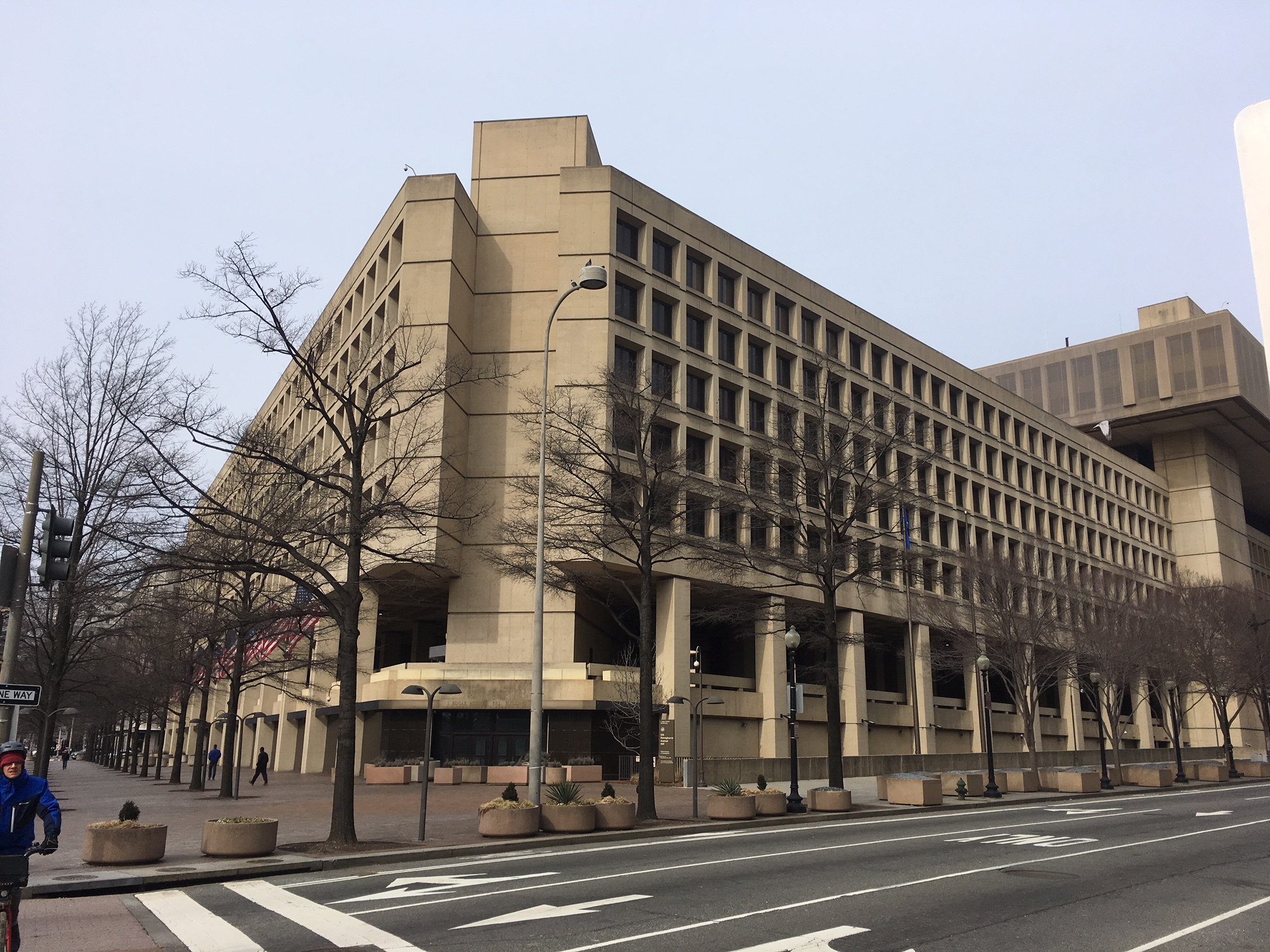
J. Edgar Hoover Building. Home of the FBI and X-Files.
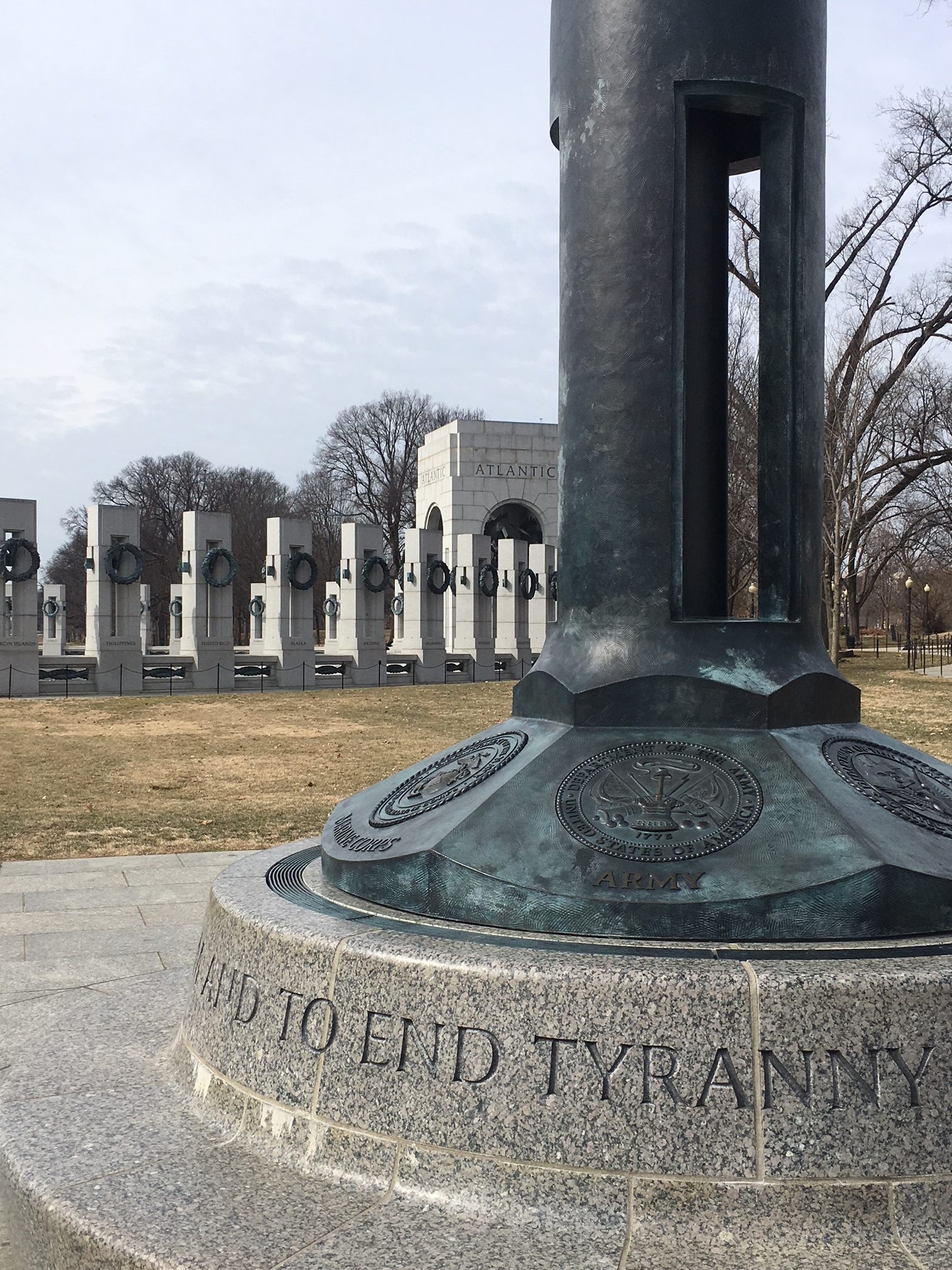
WW2 Memorial.
Vietnam Veteran’s Memorial.
The Mall.

I ended Friday night at a small pizza place which made amazing slices and helped myself to three and a “Mexican Coke” (produced in Mexico, in glass bottles, using sugar, not corn syrup) to top it off.

REALLY good pizza.

Day 1

Saturday morning was smooth.  I found my way easily to the training venue in the drizzle.  When I arrived, I was warmly greeted by Ben from District Combatives and handed a pile of liability waivers.  I was delighted to see a couple of familiar faces from previous training I had attended in the US and immediately took to catching up.  I even met a few others whom I’d only known as Instagram followers but quickly bridged to friends.  As the only Canadian in the room of almost 30, I felt humbled by the warmth and hospitality with which I was welcomed.  At the front, Ed held quiet court with a few people I didn’t recognize.   I took a seat and continued catching up with old friends and new.

When the room was packed and the time was right, Ben made introductions and we were immediately passed over to Ed who jumped right in.  Throughout the first day ,we covered:

  • restraints,
  • irregular custody,
  • weapons,
  • awareness and movement principles,
  • custody work, and;
  • a homework assignment to make improvised weapons.

I’m being deliberately vague with the above as if I get into greater detail, I’ll be writing all night and also because it’s better to experience it first-hand for yourself.

There were several takeaways from the day, not the least of which were that I need to do more yoga, focus on Endemics and “always have an escape plan”.  Sound advice for anyone.

The evening went well with food and drink around the corner and making new friends and sharing stories.  I especially felt humbled that I spent a fair amount of time speaking with Ed himself about the various Mexican mythologies and esoteric symbologies used by criminal groups.  Combining the entire evening’s discussions made for an educational, eye-opening and, at times, hilarious time.  Let’s just not rehash the saga of Jaramillo…

Some of us now know of Jaramillo. We shall not speak of his fate.

Day 2

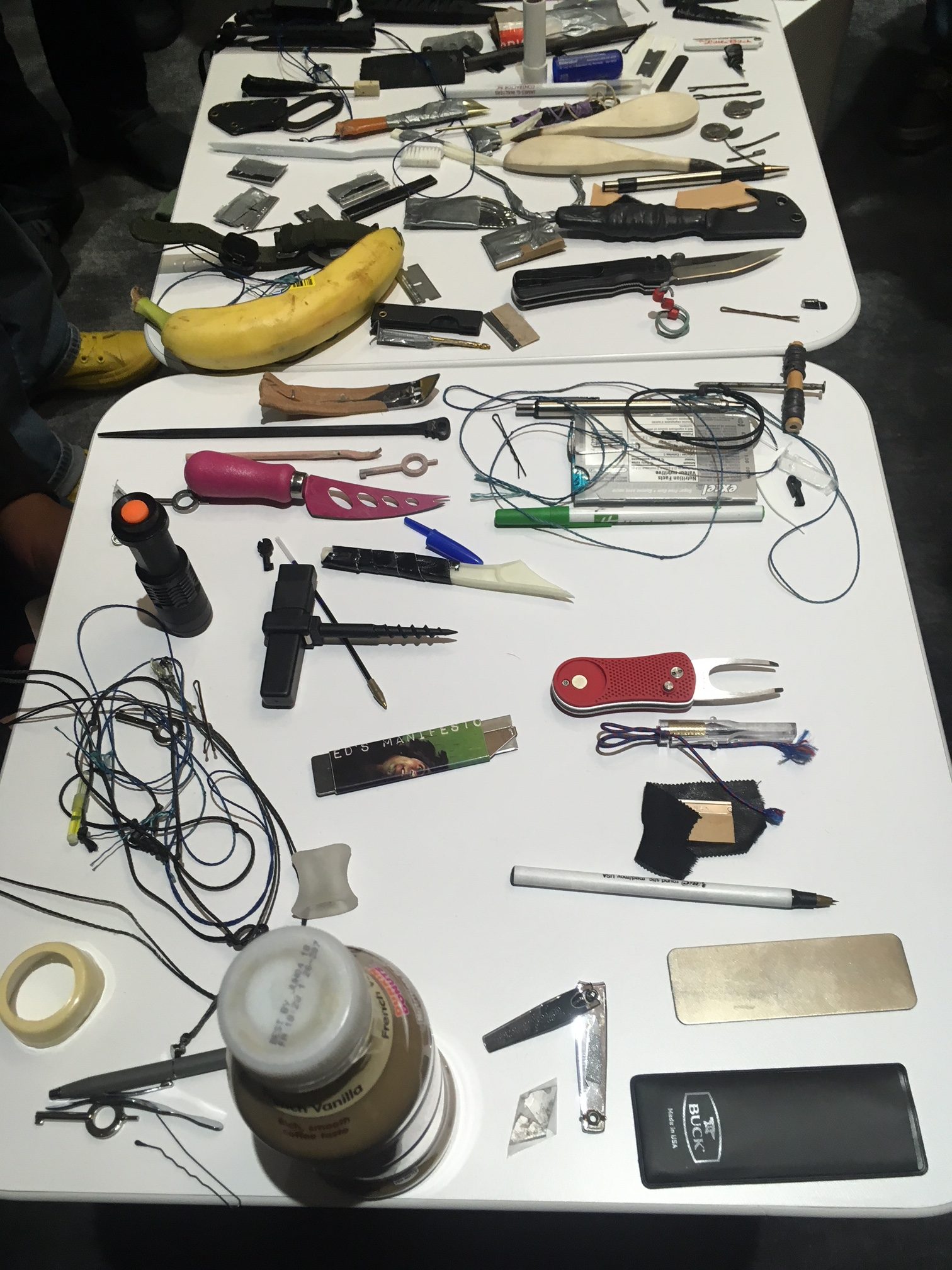
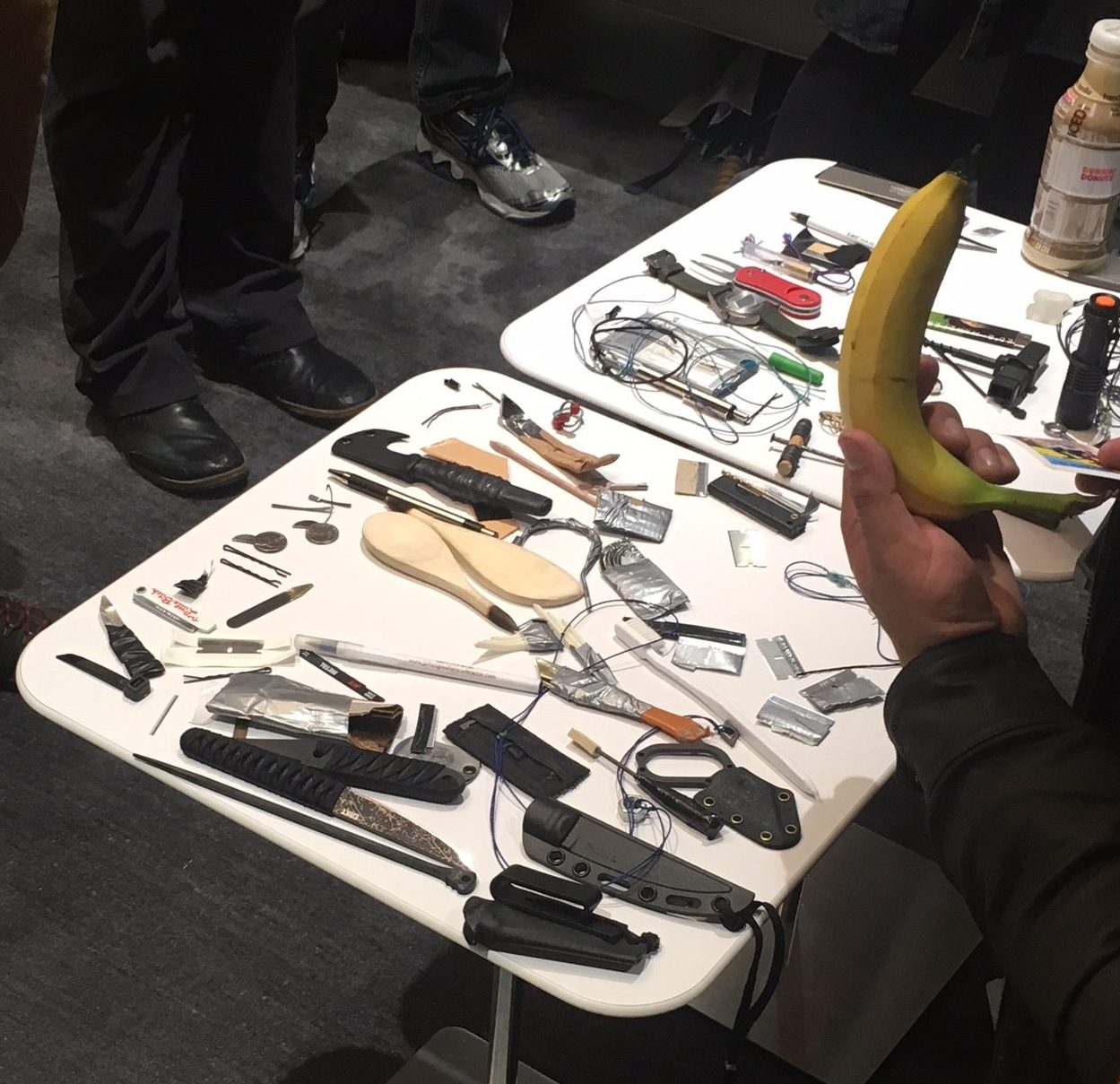
Entering the training location on Day 2 we were greeted at the door by metal detector and pat-down to see if we had absorbed and followed the previous days lessons and completed our homework.  The resulting “found” and “not found” tables displaying weapons of various varieties was quite interesting.

Top , found. Bottom, not found.


Banana…

We debriefed and had a chuckle over some stuff (the legendary banana shank and, we even had Tactikey represented!) and then moved right into improvised weapons & Shankology.  We covered:

  • Improvised weapons,
  • targeting,
  • knife work (inside and outside),
  • urban movement fundamentals and;
  • various hood rat shit.

By the time we ended on Sunday afternoon, I felt overloaded with new information and lessons learned.  So much had been fed to us that it would take me weeks to digest it all.

On a side note, I had come from Toronto (snowy and -10C) to Washington (drizzle and +10C) and was contacted by Air Canada that my flight was cancelled and I had been re-booked to the following morning.  This threw off my plans back home, but I made the most of it and spent the evening out for dinner again with Ed, Ben and several others from the course.  Many chicken wings and drinks later, we broke off and headed out.

My time over the weekend both training with Ed and Ben as well as socializing with them made me happy to have attended and to get to know them.

Ben (of DC Combatives) and I.  What a great guy.

Ben was very welcoming and Ed was a wealth of information and selfless in his sharing of knowledge.  So much so that I invited him to come to Toronto this year and to put on a similar seminar.  It would be an honour if he can make it work with his schedule.

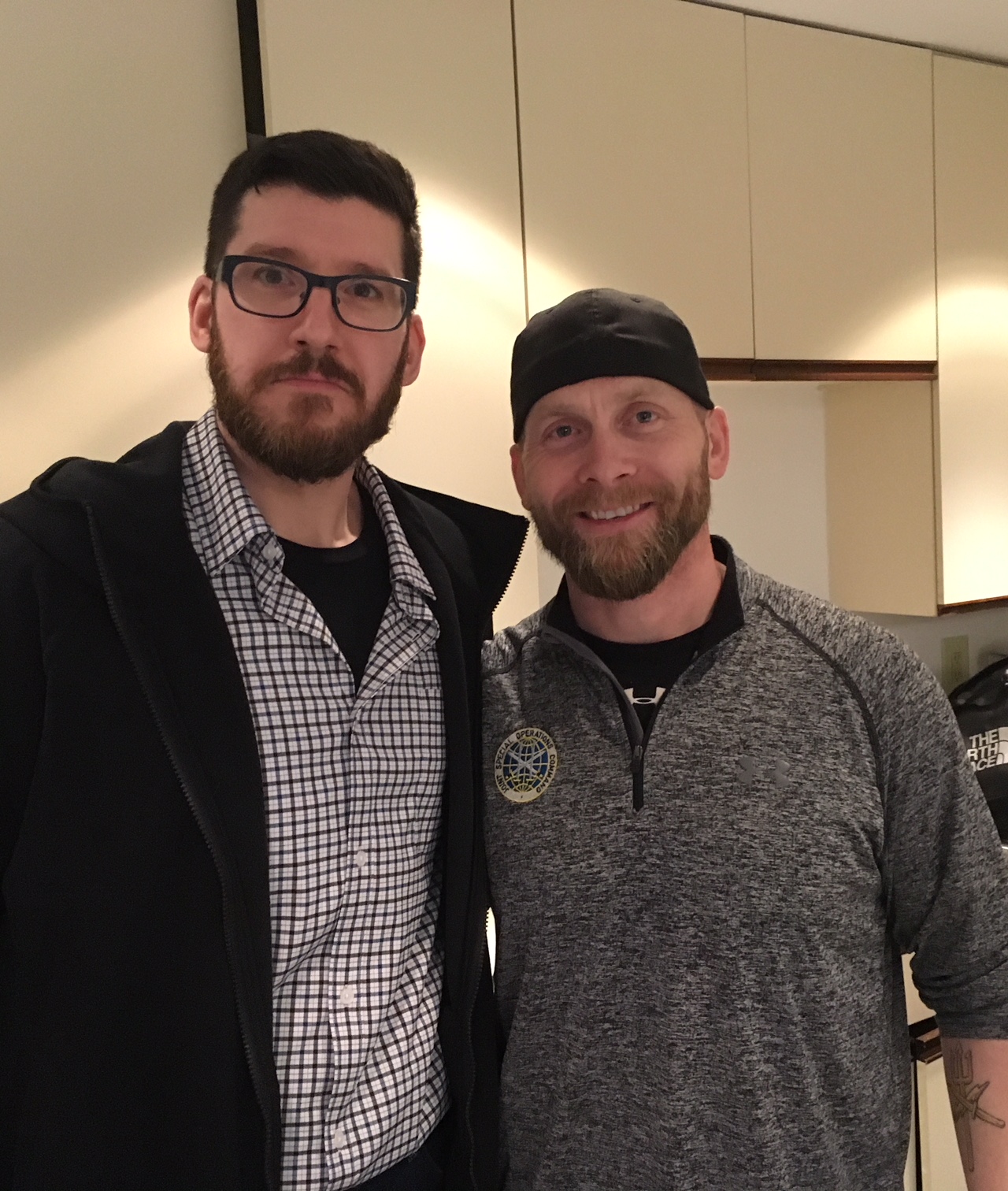
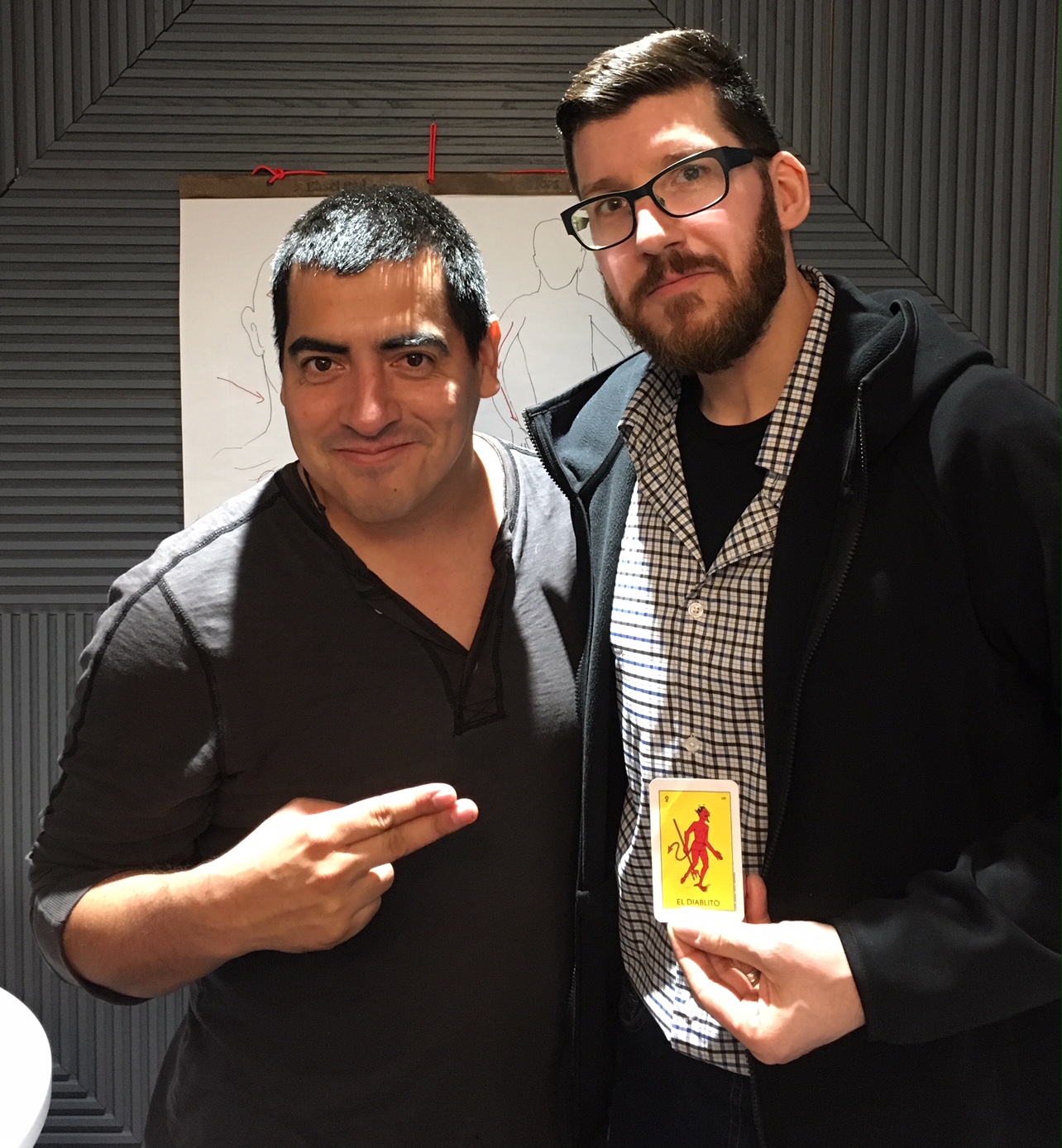
Ed and I. At the end of the weekend we were given the opportunity to choose a card. I asked for Ed to choose. This is what I got. “El Diablito”.  Very humbled.  Thank you.

***IF/WHEN WE HAVE A DATE, WE WILL POST IT IMMEDIATELY HERE ON THE BLOG AND ON OUR SOCIAL MEDIA*** (Give us a follow so you don’t miss out!)

I am very happy to have gone and would recommend attending a seminar from Ed if you are able.  The training was excellent and the information covered was wide and relevant.  If you live in the Washington, DC area, do check out Ben and DC Combatives as the types of violence mitigation methodologies he teaches are grounded in reality and effective.  If he was in Toronto, I’d certainly train there.

Thank you to both Ed Calderon and Ben Drader for having me as the lone Canadian at the training seminar.

For further information about the topics and training seminars covered here, see the links below:

Till next time, stay safe and stay crafty.

Posted on 2 Comments

Tactikey Review

Low-pro force multiplier.

I recently discovered a new self-defence product – Tactikey.

Tactikey is an upgrade on an old-school, low-tech means of self-defence.  The old “punch them with your keys” technique, except with some modern upgrades.

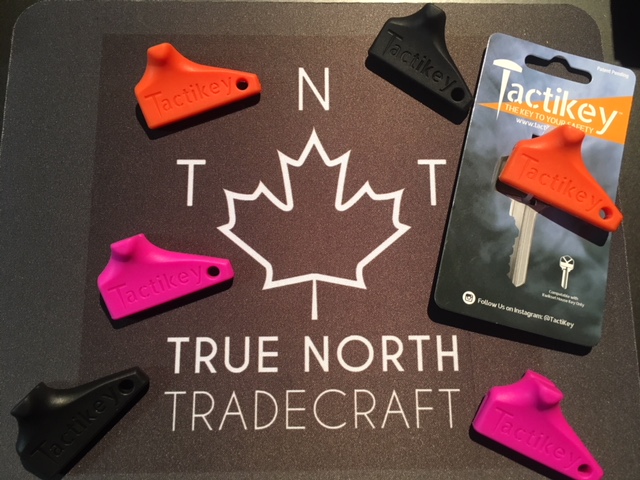
The product itself is a small (1 x 1.75 x 0.5 in), lightweight (6.5 g) and strong (TPE 110 Composite material) designed to ergonomically accept a standard Kwikset house key and give it a platform to use as an impact weapon.  This design is helpful in reducing injury to the defender’s hand while allowing the transference of force through the key point to the assailant’s soft tissues.

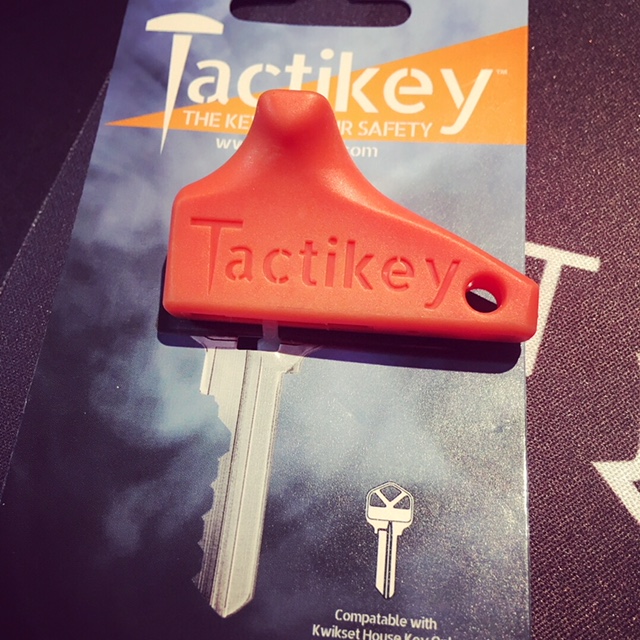
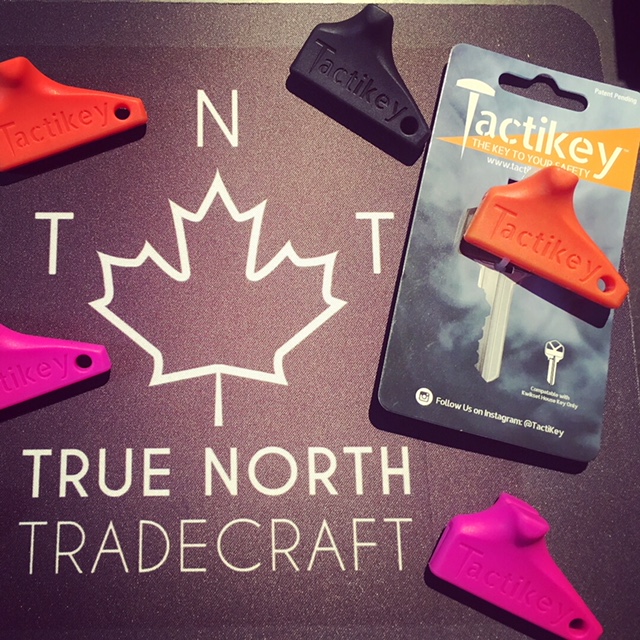
Tactikey in it’s packaging (front).
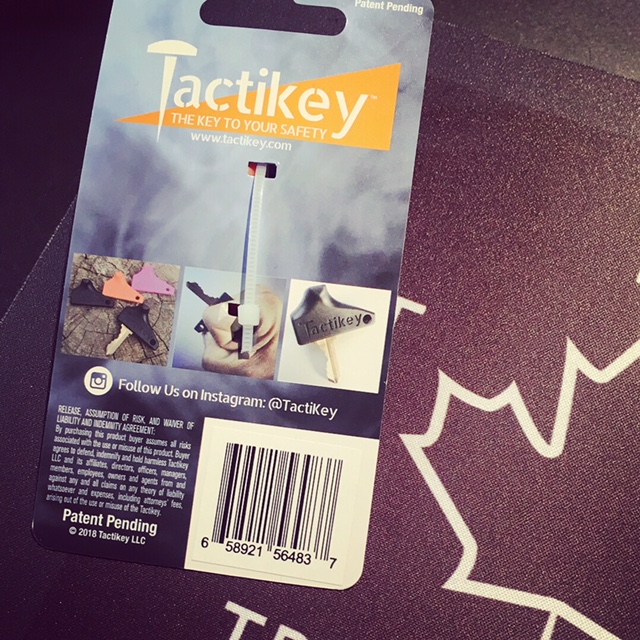
Tactikey packaging (back).

The combination of supporting grip and solid metal point is surprisingly effective and protects the user from injury well, unlike an un-shrouded key being used for the same thing.

Low-pro force multiplier.

When I received my package of a few Tactikeys and was caught by several positive things:

  • VERY light
  • VERY small
  • VERY easy to add to your key ring
  • Usable in non-permissive environments and will likely not raise any red flags if inspected by authorities
  • Allow the key to be used for it’s intended function AND as a self-defence implement and;
  • Comes in your choice of Blaze Orange, Hot Pink or Carbon Black.
  • Inexpensive (as of this writing – going for $9.99 ea with free US Shipping)
  • Full details from website available here.

Along with the personalized note from them, I immediately equipped my Tactikey and went to work playing around with it.

I found that holding it was comfortable.  The finish on the grip was soft and smooth but didn’t slip.

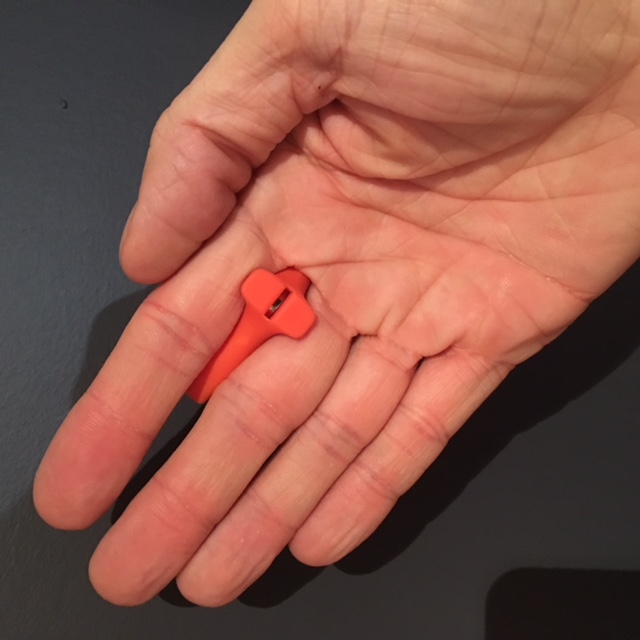
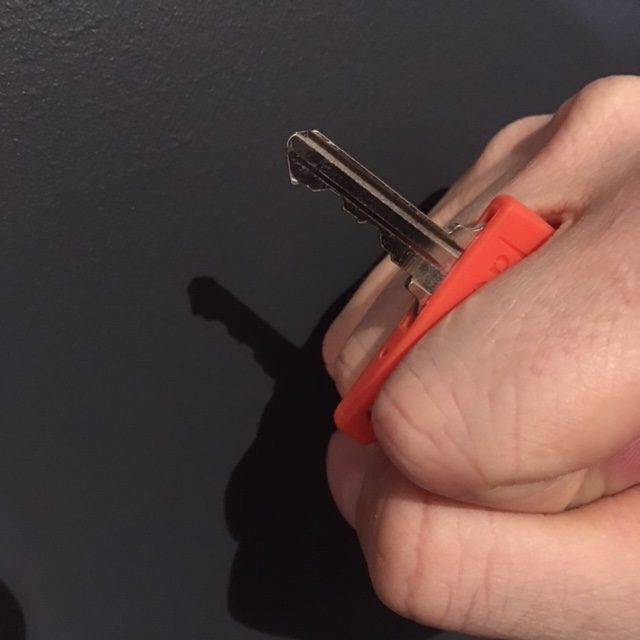
Ergonomic and secure grip.
Fits well into the hand.

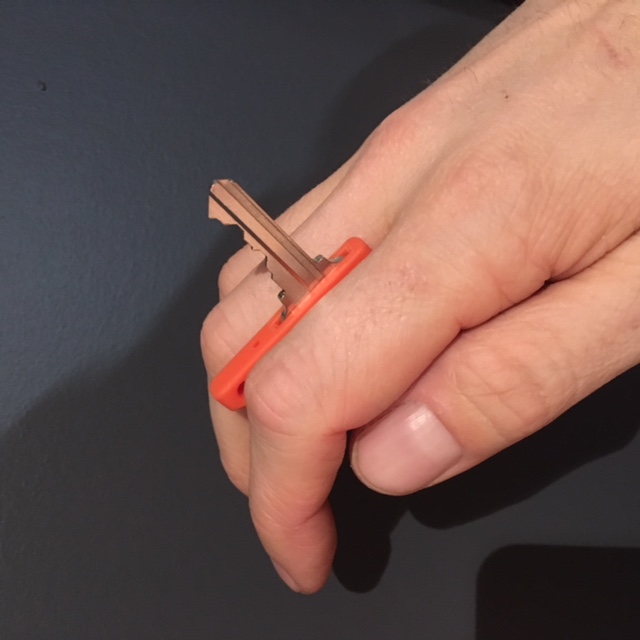
It intuitively holds well between the fingers and stays solid when striking.

Pointy, ouchy and very solidly held.

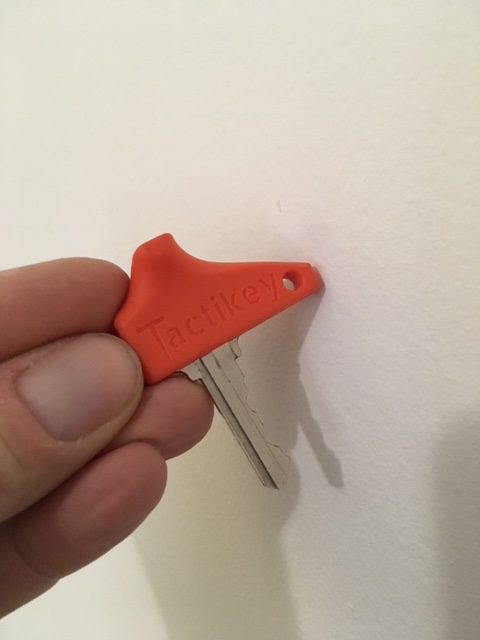
I had access to a building site where walls were being replaced and took a few jabs at drywall and lathe & plaster.  The results were good (see below).

Drywall – before.

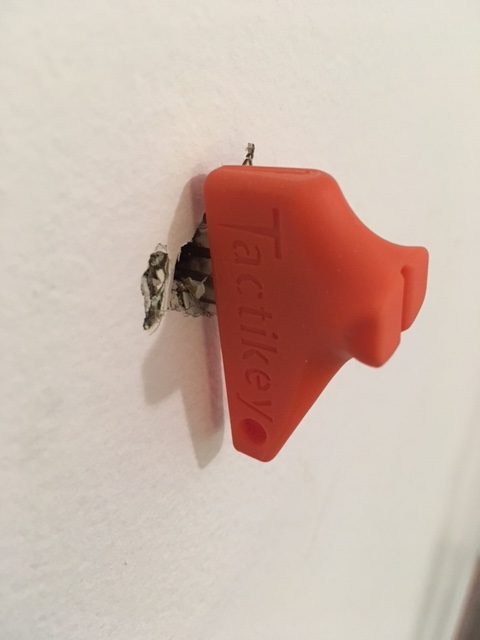
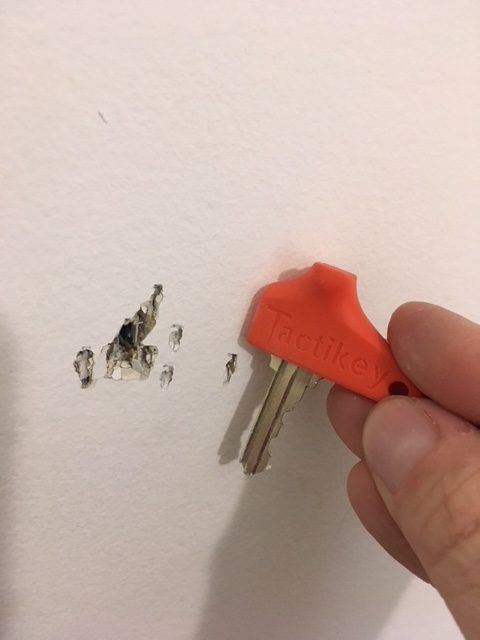
I was able to make holes in both mediums without pain or injury to my hand.  The regular (un-sharpened key) penetrated both types of walls with relative ease making me feel confident that it could cause trauma to soft tissue on a hostile human target.

Through drywall with first strike.
Repeated strikes had no issue with penetration.

As it is a simple piece of plastic, Tactikey can go anywhere a set of keys can go and will always be ready as an added force multiplier if you should need it.  I have added this to my Every Day Carry (EDC) as it is useful, lightweight, practical and effective.  Along with the other items I carry, I feel it is a wise investment and doesn’t add bulk of weight to your setup.

Although I haven’t had the opportunity to hit a person with it at this point, I’ll be sure to update this post with those results, should they occur.  That said, punching holes in drywall happened very easily and I wouldn’t want to be on the receiving end of a hit with one of these.

Tactikey also has a fantastic return policy on it’s product (from their website):

“30 Day 110% Return Policy – Purchase with Confidence.
We at Tactikey work tirelessly to develop the world’s most unique and efficient EDC products that will help you achieve well-being and safety. We believe in our products so much that we stand behind them with a no hassle, no questions asked, satisfaction guarantee 110% return policy. If you purchase any Tactikey product on our website Tactikey.com and you are not satisfied, return it within 30 days for a 110% refund. The guarantee is applicable to all purchases made from Tacktikey.com only and does not cover Tacktikey retailers. Retail purchases will be handled by the particular retail store’s return policy. That is our commitment at Tactikey to you our customers.”

Instructions on the use of Tactikey can also be found on their website here.

The one and only downside with Tactikey is that it is only compatible with Kwikset key blanks at the moment.  If your house key or other keys on your ring are not of this kind, they may not fit properly.  That said, Tactikey is working on different formats for several other major key manufacturers (like Schlage and Yale) and customers will be able to choose which works for them.  In the grand scheme, this isn’t a big deal.  They will come out with others soon and, really, I’d sooner have a dedicated defensive key (a blank, sharpened) than my primary house key.  If you do hit something or someone and bend it, you may have issues using your key after.  Not to mention if you lose it in a fight, buddy will have your house key.  I’d sooner have a non-key.  I used an old, out of commission Kwikset key I had laying around for my test & carry key to ensure that doesn’t happen.  I will pick up a Kwikset blank and sharpen it with a file for primary EDC use in the coming days to ensure I have it the way I want it.  You can pick up a Kwikset blank from anywhere that cuts keys (Home Depot, local hardware stores, shoe repair places, etc) and just ask them for one.  Again, not a big deal right now as you’re best off to go with a dedicated key or key blank for this particular use.

Have a look at their website, check them out on social media and feel free to pick one up for yourself and maybe some family members.  For the money, I thinks it’s a great deal and you get something solid and useful.  I really like it and I bet you will too.

Till next time, stay safe and stay crafty.

Posted on

Training Review: Behavioural Profiling and Situational Awareness from Emergence LLC

Emergence LLC – http://www.emergencedisrupt.com

Recently I completed the Behavioural Profiling and Situational Awareness online course produced by Emergence LLC and presented by Yousef Badou.

Mr. Badou is a US Marine veteran (with 3 tours in Iraq) who contributed to the development of the behavioural profiling programme used by the USMC.

As an introduction, I thought it was a concise overview of the principles of behavioural profiling and situational awareness.

Developing awareness of the Baseline.

A lot is covered in the ~1 hour online course (especially for the cost, at $9 USD).  For someone new to it, it really opens up a window into the world that your senses disregard if you’re not in tune to your environment.  For the practitioner, it is a good review from the ground up of basics, reframed from another perspective.  He states that if he can, through imparting his knowledge, give you even an extra second (or more) of advantage to act, he will have given you an edge in surviving an event.  This is all predicated upon becoming in-tune with the environment around you and feeling the baseline.

Seeing what stands out even when it’s not obvious can give you that extra second to act and increase your chances of survival.

Mr. Badou’s examples and delivery are engaging and spot-on.  Such as the  recognition of “pre-incident indicators” are all learnable and actionable.  Though a large portion of the material he covered was a review to me, I did like the way he explained some things I hadn’t heard before – the concept of “File Folders”, for instance and how they affect one’s decision making processes.

Seeing the threat early is like seeing in the future.

The entire overview hit the salient points while providing easily understandable context for each.  Broad topics covered are:

  • Introduction to Behavioural Profiling (with physiology and psychology backgrounders)
  • File Folders and Denial (as well as anomalies and perception)
  • Fear and Brain Errors (including the Limbic system), and;
  • Final Thoughts

Mr. Badou references a few different additional sources for further reading in the form of Patrick Van Horne’s Left of Bang, Gavin De Becker’s The Gift of Fear and Dave Grossman’s On Combat – all excellent primary sources for this type of material.

I recommend giving Emergence LLC a look and trying out their introductory offering.  I am also looking forward to further modules they will be putting out – such as Observable Behaviours and Behavioural Indicators.

Till next time, stay warm, stay safe and stay crafty.

Posted on

After Action Report: Covert Entry Concepts – Toronto

On the weekend of 28-29-30 July, 2017, True North Tradecraft hosted the first-ever offering of The CORE Group’s Covert Entry Concepts course in Toronto.  We had 9 students, an excellent venue, great food and of course, fantastic training.  (To read my review of the course I attended in Maryland, click here.)

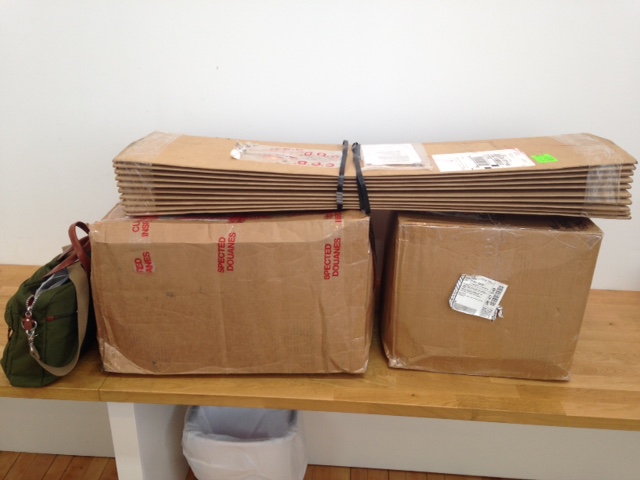
Training materials before.
Training materials, after.

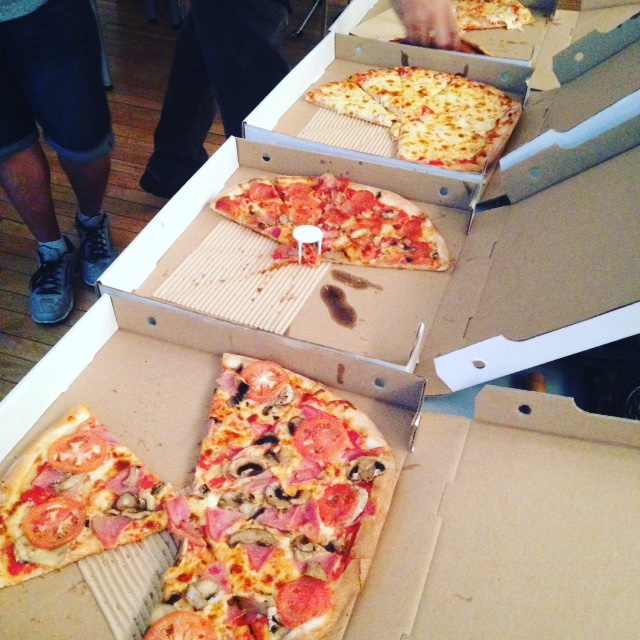
Friday evening saw the group meet up, make introductions and immerse themselves in Street Thief, a mockumentary based on a thief.  Though not “real”, it did accurately illustrate how an actual thief does what they do, ideas for protecting against such things and using the same methodologies in conducting security assessments and Red Team-type attacks.  That, coupled with some yummy pizza (no Hawaiian, you’re welcome Rob) made for a good evening.

Mmmm..pizza.

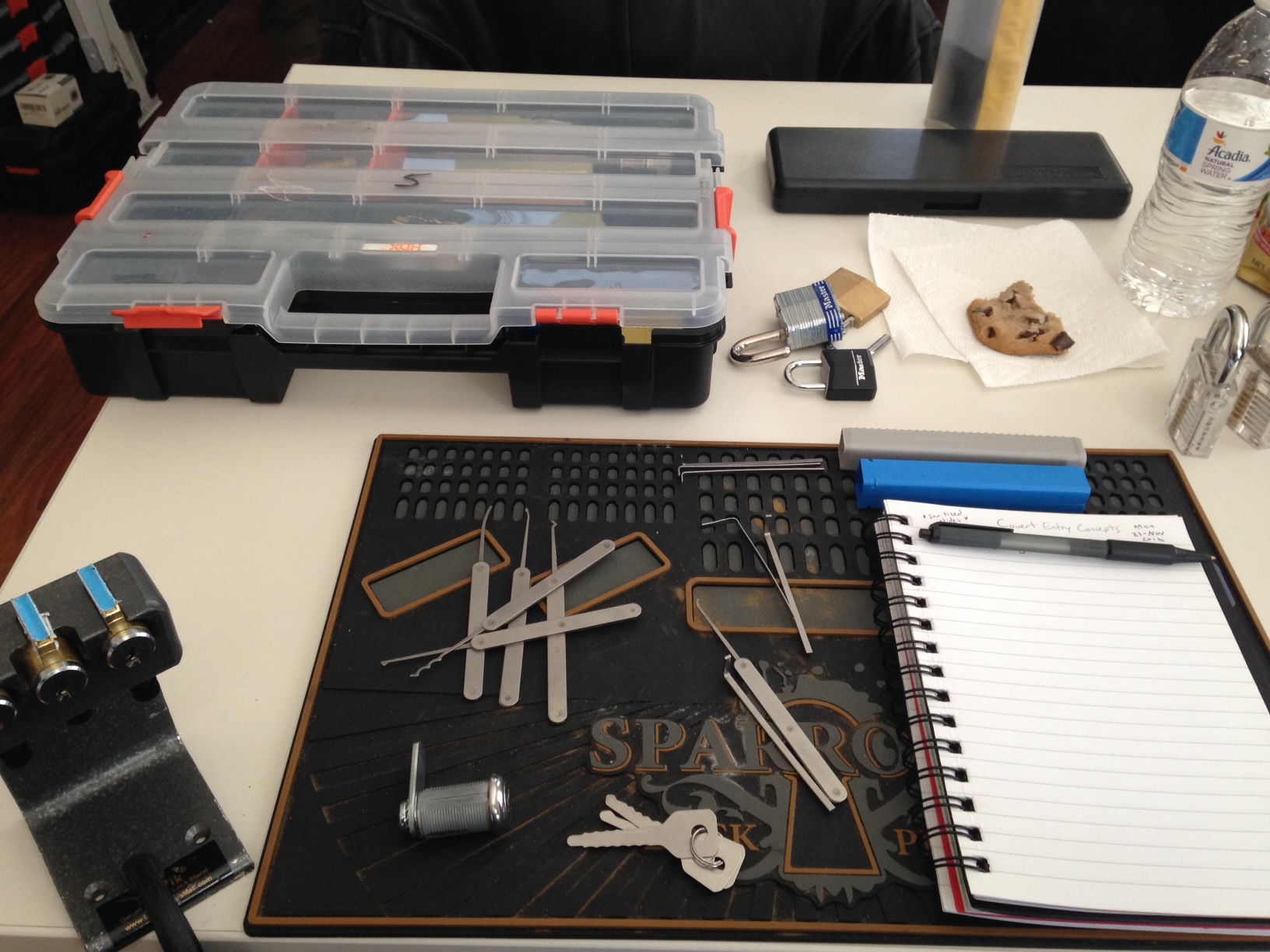
Starting bright and early on Saturday morning, we hit the ground running getting into the principles of physical security, locking mechanisms and the basics of attacking them.  This was framed within the construct of proper evaluation and approach vectors for attack and assessment.

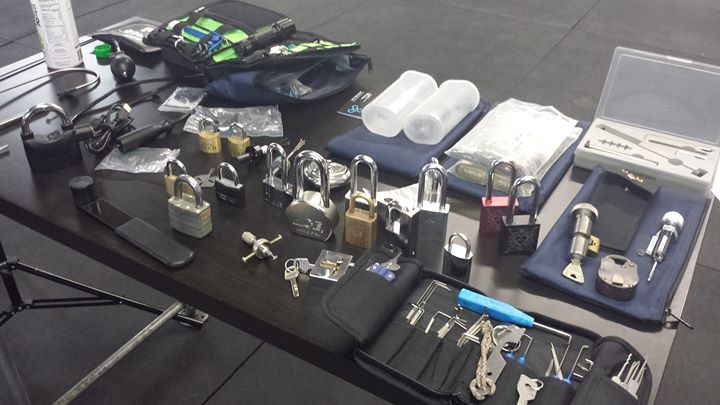
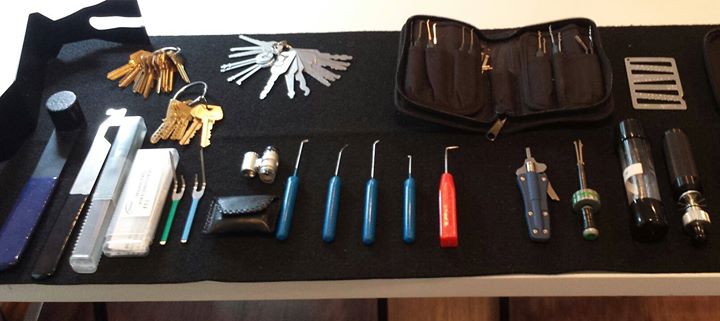
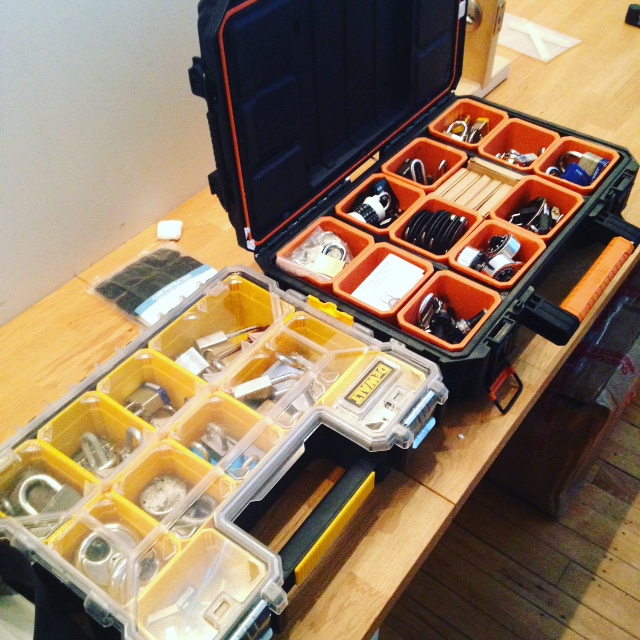
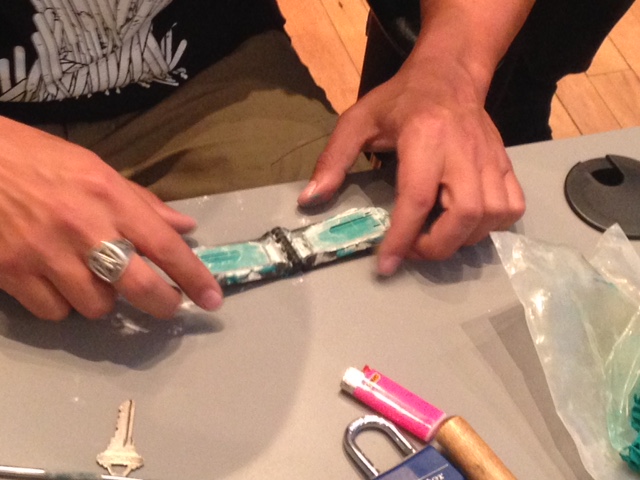
The tools.

Thanks to The Lucky Penny for providing scrumptious snacks and endless coffee to get us started and keep us going.

Freshly baked and delivered food and coffee made a huge positive impact on all of us.

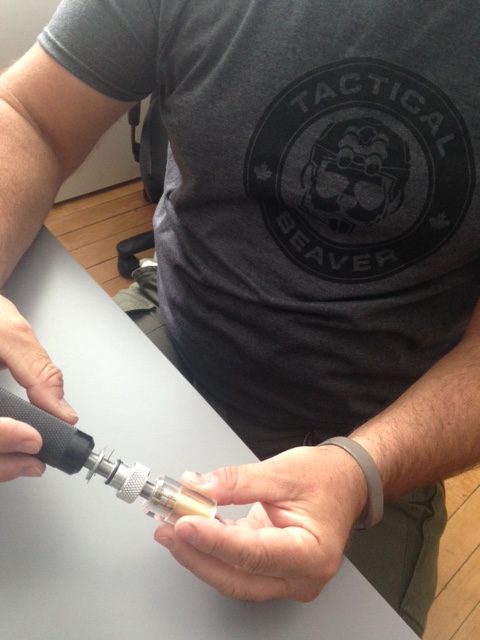
The entire day was fast and furious.  We hit on a vast breadth of topics and brought it all to practice very quickly.  The students were introduced to various locks and their corresponding pick and bypass tools.

Checking out a tubular lock pick.

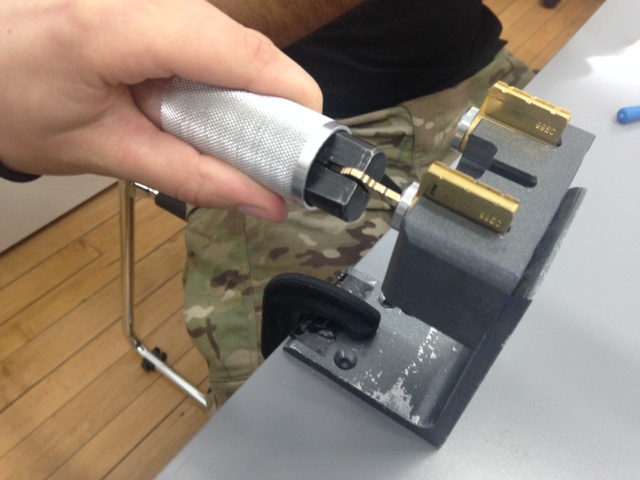
Wafer locks, pin & tumbler, dead bolts, combination locks, padlocks, warded locks, etc.  The pace was fast but students picked-up the skills quickly and began to progress through to more difficult locks.  After everyone felt they were getting the hang of it, we moved right into impressioning and key casting.

Key impressioning. Money for nothing and your checks for free.
Key casting. Delicate but really interesting if done correctly.

Saturday had some tasty lunch too…

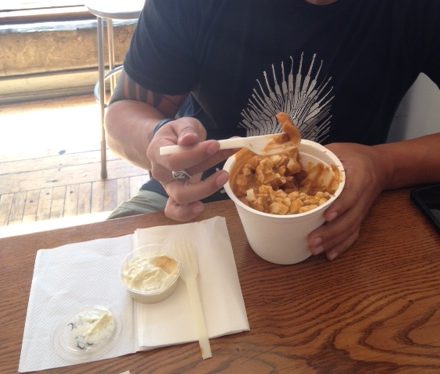
Rob enjoying a fine Canadian poutine. Now he has a standard to measure all others by.

The rest of the day was spent discussing elevators and their uses in Red Team operations and physical security, safes and other miscellaneous related content.

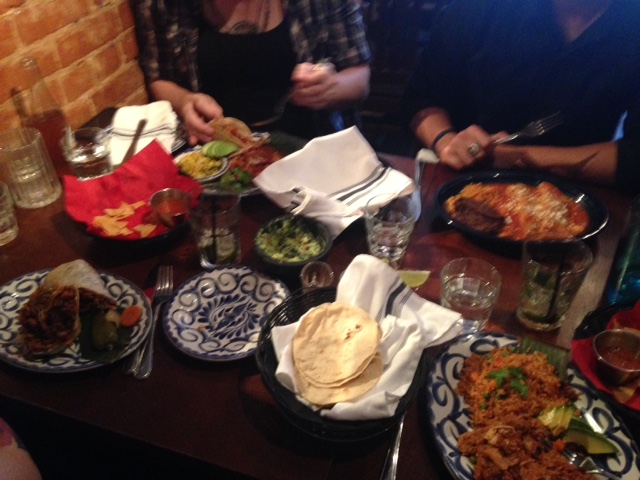
We finished off the evening as a group at a fantastic nearby Mexican restaurant where the food was excellent and the tequila and mojitos flowed.

Mmmm…guac and tequila.
So much food. So good. Cheers all!

Sunday, though rough for some more than others, continued the same high tempo.  We dove right into more elevator stuff and more impressioning challenges.

One challenge was who could impression a key properly before anyone else.

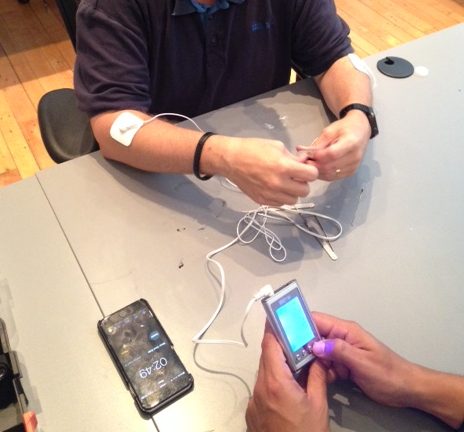
The second was the T-Rex Challenge.  Picking a lock while a electronic muscle stimulator is hooked-up to one’s forearms.  It’s a laugh for all.

Those arms are shaking. Doesn’t matter how tough you are, it was crazy.

That winners of each challenge got some stuff from our friends at Delta 2 Alpha Design (The Lolly and The Mark, and stickers, each.)

After we all stopped laughing and got feeling back in our arms, we carried on to lock bypassing, familiarization with various tools and techniques associated with it and giving them a trial run.

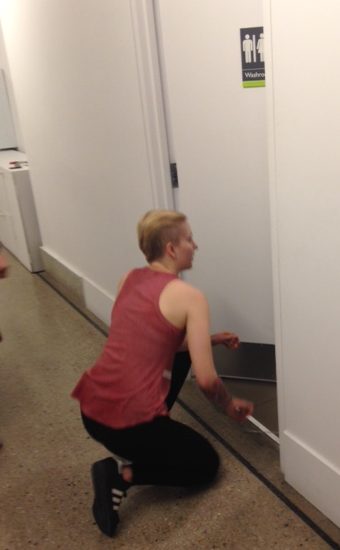
One of the students using an Under Door Tool to rescue someone (Rob and another student) from the bathroom.

We then transitioned to removing/replacing tamper-evident seals.  A very delicate operation to say the least, this portion of the day was slow-going and painstakingly irritating when impatience wrecked it all.  That said, it was very interesting in its method and application.  We also discussed security posturing, use, strength and limitations of seals and tamper-evident devices along with best practices.

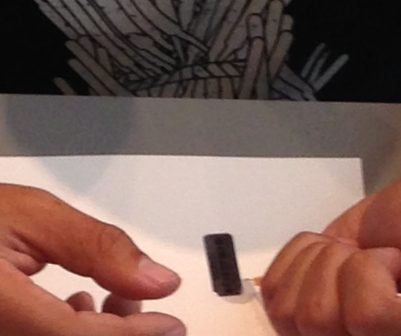
Making tamper-evident not-so-evident. Steady hands.

To round out the weekend, we finished on a high note with restraint escapes.  Dealing in escaping unlawful custody while restrained by handcuffs, nylon zip ties, duct tape and cord.  The more you know, the better prepared you will be.

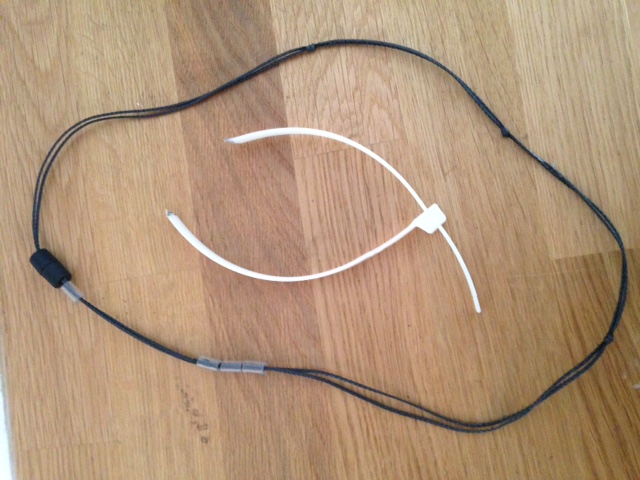
Aftermath of zip tie escape.
Tools of the trade.


One of the most important parts of the learning was the manner in which it was delivered.  Rob’s easy-going and humorous nature, coupled with his expansive knowledge and professionalism made for a relaxed yet powerful learning environment.  He is an exemplary instructor and trainer and is so giving of himself and his knowledge.  That and he couldn’t get over how no one carried guns.  Yay Canada.  It all makes a huge positive difference.

As with all experiences of this kind, there was so much more we covered and were exposed to that it simply wouldn’t do it justice to speak to here.  There is only so much you can read about or learn from on YouTube before you hit a wall.  Well-delivered, quality, in-person training has no substitute.  I recommend this training to anyone interested in these skills. In the end, an excellent group made an excellent class.  Congratulations to all.

Certificate. It was all worth it.

We are excited about how everything went that we are already planning our next offering.  Keep tuned to the Blog (and Instagram and Facebook) for more details.

Thank you to Rob and to all others who helped make this happen and make it great (See below) and thank you to all who attended.

Till next time,

Stay Crafty.

Posted on

Safety in Crowds and During Events

Happy 150th B-day Canada!


Happy 150th Canada!

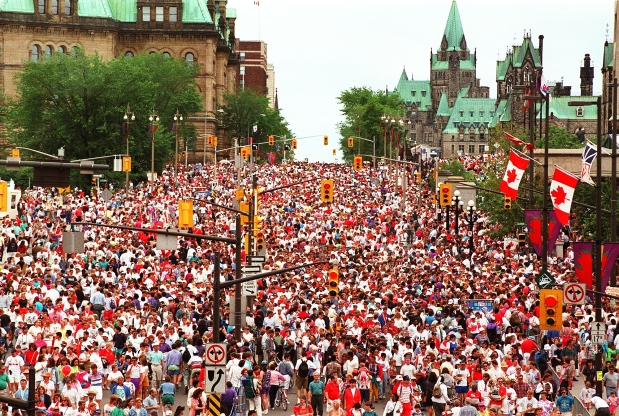
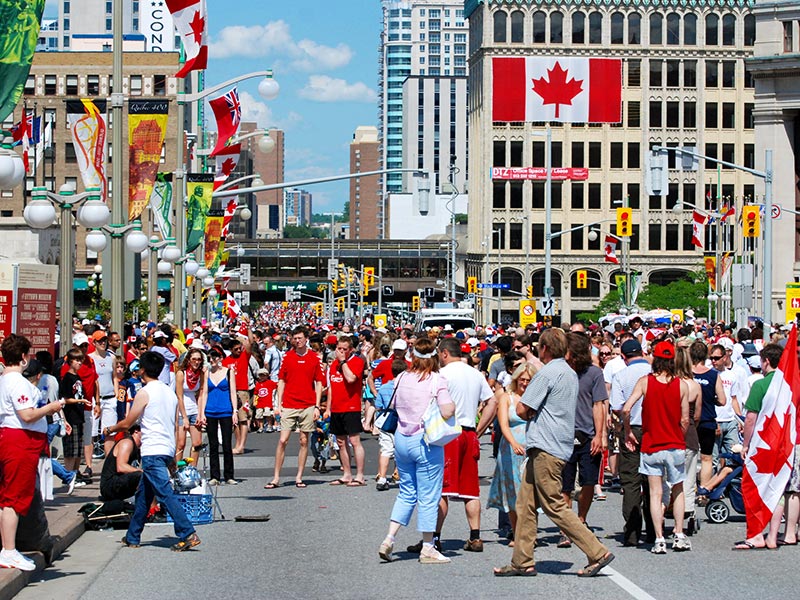
Today we will look at how to be a bit safer when attending large events and being in crowds.  As we all head out for the festivities this weekend, we will find ourselves in large crowds.  Most people don’t think about what can go wrong in such an environment and are focused on the strong Canadian beer and flood of Canadian Pride.  But if something does turn the tide of the crowd, it can easily go from a fun time to a deadly mob.  A fire, a terrorist attack, active shooter…all can turn the tide quickly.  A stampede of people trying to get out of a night club, or a park that is fenced-in can result in injuries and death as the mob moves.  The panic that a real or perceived event causes is enough for people to take leave of their faculties and just charge.

So, how do you give yourself the edge in situations like this?

Large crowds can be problematic.
  1. Maintain Situational Awareness: Keep your wits about you and observe your surroundings.  Identify the baseline of the crowd.  How does it move? What is the average behaviour?  Is there anyone moving against the grain, or seems out of place?  Is there someone that doesn’t seem to fit?  Try to identify these things by putting your phone away and actively scanning your surroundings.  That doesn’t mean you should be afraid, just aware and in-tune.
  2. Take Note of Changes:  Look for and identify specific examples of “off” behaviour outside of the norm or baseline.  Like the one person wearing wearing a Hawaiian shirt at a funeral.  Also, try and get a “feel” for the mood of the crowd and react to its changes.  If things suddenly go from fun and festive to uneasy and twitchy, get moving towards an pre-determined exit.
  3. Pre-Identify Exits and Escape Routes:  As you arrive to a crowded area or event, take mental note of your evacuation options.  If everyone is coming in through a particular gate or door, look for other options.  Are there emergency and fire doors off to the side?  Are there windows?  Stairwells? Employee doors with “Authorized Personnel Only” signs?  Maybe walk by some of those doors to ensure they aren’t chained or bolted and that they are viable options.  Check for a window you might be able to break to get out.  Most of the crowd will head back the way it came if it decides to stampede.  Alternate exit options will give you a better chance of getting out faster and intact.
  4. Cover & Concealment:  Look for spots that provide cover (ballistic protection from projectiles and shrapnel) and concealment (obscuring you from view).  If something goes down (like an active assailant begins shooting or stabbing people) and the exit isn’t an option, your next best thing is taking cover to protect yourself.
  5. Get Moving!:  If something begins or you feel it might, get moving.  Get to the edges of the crowd or to a wall and make your way to one of the pre-scouted exits you had selected.  Use the crowd momentum and relative direction to funnel you towards your target, moving forcefully in a diagonal path.  You can’t fight the crowd, but you can use it to your advantage.
  6. Carry the Right Gear:  Make sure you tailor your on-person equipment to be viable for the environment.  A small knife and/or multi-tool, bandana, water bottle, lighter, metal-bodied pen and possibly lock picks.  Dress appropriately and ensure you have the necessary tools to support your escape plan.
  7. MOVE!  If it’s go-time, move.  Don’t hesitate, just get moving.  Act in a decisive manner and get to your objective.

Additional point to keep in mind:

  • Stay to the edges of the room or crowd;
  • Keep panic in check, and;
  • If you want to ensure you minimize the risk, DON’T BE THERE!  Watch the event on TV.  You can’t be harmed if you’re not there.

Don’t forget..if you SEE SOMETHING, SAY SOMETHING!  Let a police officer or security know if you see something wrong.  They’re likely better equipped to deal with it than you are.

Till next time, have fun, stay vigilant and of course, stay crafty.

Happy Canada 150!

Posted on

Situational Awareness: A Primer


I have strong feelings about this topic. Too often do I see people do careless and dangerous things simply because they weren’t paying attention. Many accidents and attacks on people are largely avoidable through attuned situational awareness.

So what is it? Situational Awareness (SA), is described in Wikipedia thusly:

“…the perception of environmental elements and events with respect to time or space, the comprehension of their meaning, and the projection of their status after some variable has changed, such as time, or some other variable, such as a predetermined event. It is also…concerned with understanding of the environment critical to decision-makers in complex, dynamic areas from aviation, air traffic control, ship navigation, power plant operations, military command and control, and emergency services such as firefighting and policing; to more ordinary but nevertheless complex tasks such as driving an automobile or riding a bicycle.
Situation awareness involves being aware of what is happening in the vicinity to understand how information, events, and one’s own actions will impact goals and objectives, both immediately and in the near future. One with an adept sense of situation awareness generally has a high degree of knowledge with respect to inputs and outputs of a system, an innate “feel” for situations, people, and events that play out because of variables the subject can control. Lacking or inadequate situation awareness has been identified as one of the primary factors in accidents attributed to human error.[1] Thus, situational awareness is especially important in work domains where the information flow can be quite high and poor decisions may lead to serious consequences (such as piloting an airplane, functioning as a soldier, or treating critically ill or injured patients).”

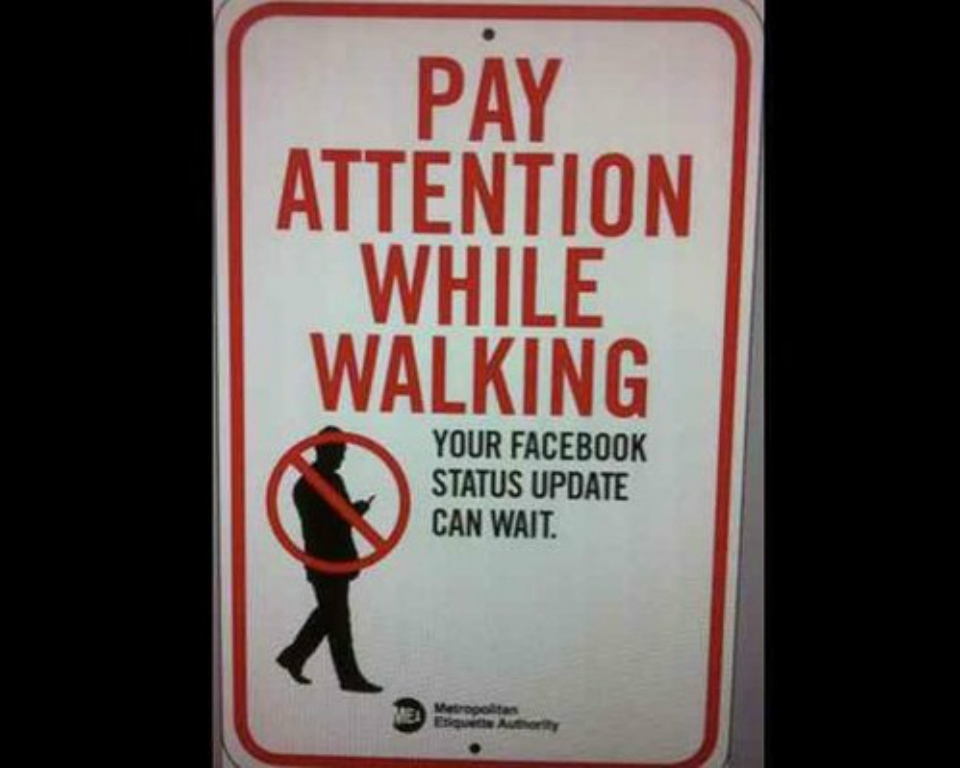
The above describes the what of SA well however, only a small percentage of the population actively uses SA in their day-to-day lives. How often do you see this:
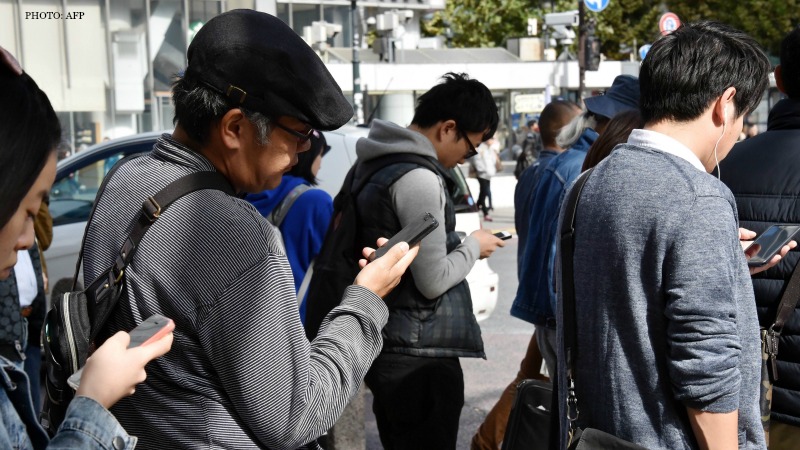
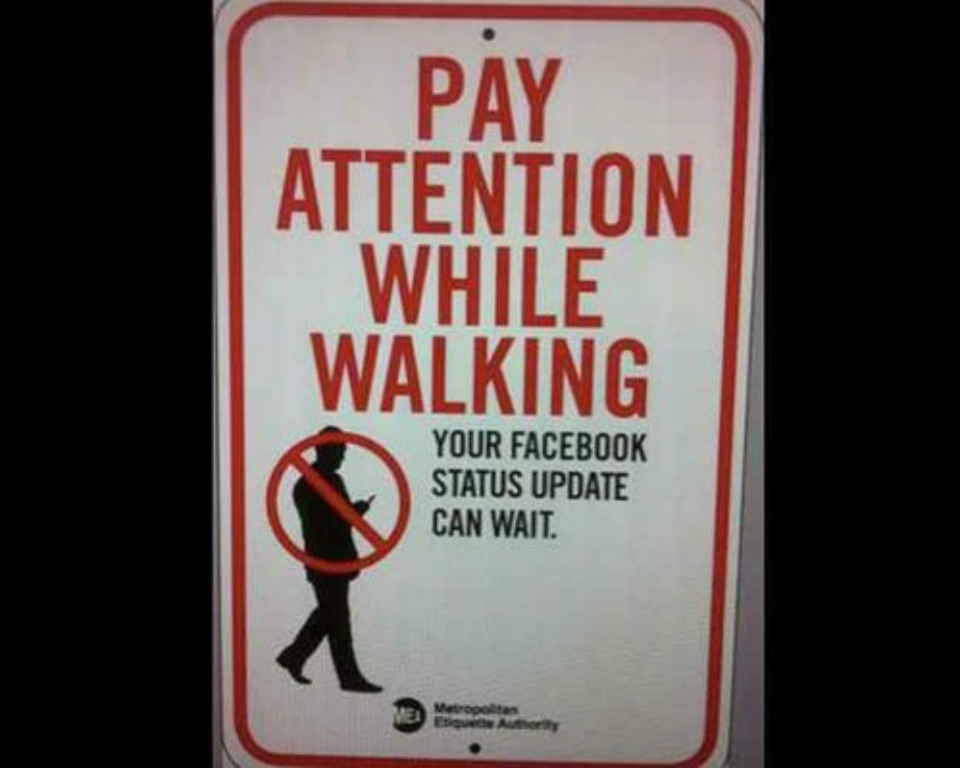
…or this?

These people are completely oblivious to their surroundings, the prevailing environment they are in and cannot identify or comprehend threats or hazards which they may be stepping into. No decisions can be made because no information is being collected by their senses beyond that of the screen in front of them. They are unaware of their environment and clueless about any hazards that may threaten them. This is not where you want to be.

Situational awareness is a key component to successful preparation and survival. In whatever environment you may find yourself, be it the wilds of the world or any concrete jungle, being aware of what is going on around you is important.  For instance, if you are on a hiking trip, paying attention to weather patterns can determine if you set up camp prior to a weather front coming in, or being caught in a deluge. Alternately, by being unaware of danger signals on the streets of a city, you may find yourself in a position to be attacked whereas if you had picked-up on the subtle signs around you, you stand a better chance of taking steps to avoid a dangerous situation.
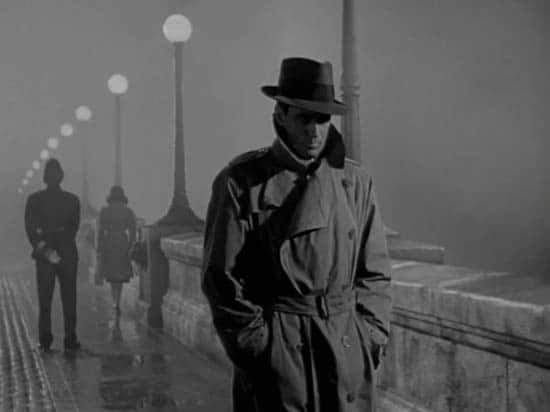
The environment around you produces a vast amount of stimuli which most people ignore as “background noise”. Sounds, weather, social interactions, architecture, temperature, motion, colour, patterns – all produce data for us to interpret. A great deal of this is ignored as our brains rarely fixate on things that are “routine”, until they are not.

Survival strategies are transferrable across environments. Urban or rural. Around your home or overseas. Taking a vigilant and keen interest in the goings-on around you will give you an edge in dangerous situation by providing you with valuable information with which to make choices for action (or inaction) which will hopefully keep you alive or unharmed.

Situational awareness is a way of being. When driving, you should constantly be checking your side and rear-view mirrors to be aware of the vehicles around you, plan lane changes due to signs, adjusting your driving appropriately for the road conditions, and anticipating other driver’s actions to ensure you avoid collisions. Most of the time, this is done on a semi-sub-conscious level. If you have been driving a while, you won’t be talking to yourself about looking at your mirrors, much like a brand-new driver who is still nervous and tense about the whole thing.

The same applies when you leave your home, be it in the city or in the outdoors. In the outdoors, do you catch the silence on the path? Why did the birds stop chirping? Are there branches snapping off the trail? What’s that smell? Am I looking at the path for potential hazards or obstacles as well at the trail ahead? In the city the same thought process should run in the background. This is a dark part of the street…is there anyone in that dark doorway? I’ve seen that car a few times today…coincidence? That guy has been behind me for a while now…is he following me? (In a parking lot alone at night…) Are those guys really fixing a flat tire?

I’m not trying to spread paranoia as most of the time those questions will only highlight innocuous situations. BUT, for the small percentage of the time where real danger may be involved, having foreknowledge of that danger can give you the opportunity to act.

The best way to win a fight is to not get into one in the first place. That’s what one of my old martial arts instructors used to tell me. It’s good common sense when you’re not looking for trouble.
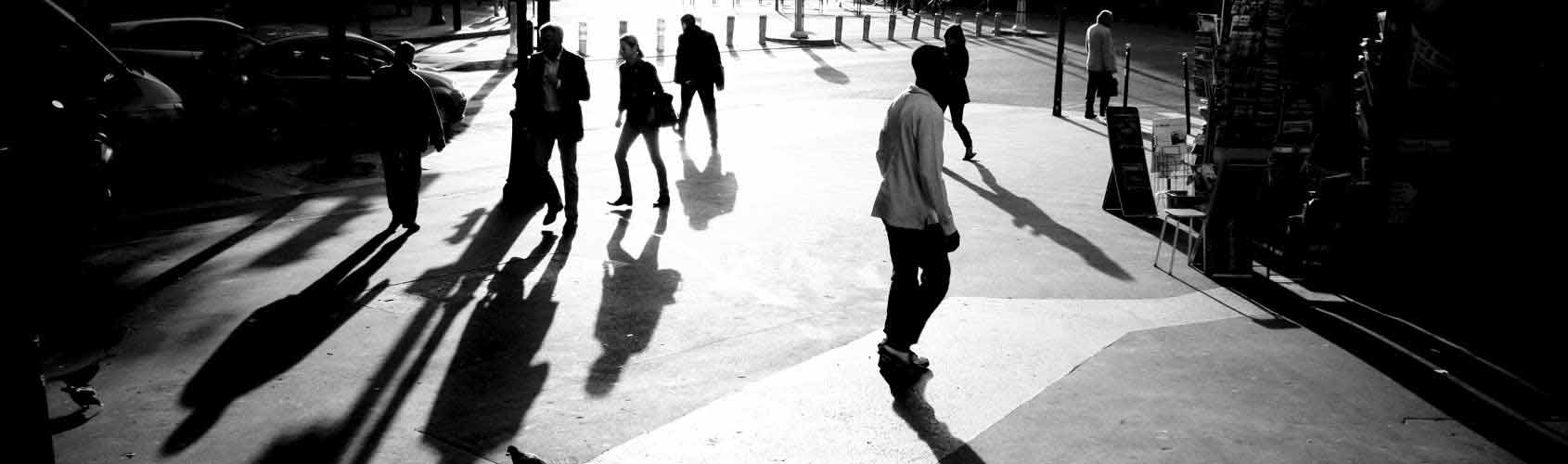

At the end of the day, being aware of your surroundings and environment is a critical piece of the survival toolkit. If you practice it often and across all situations in which you find yourself you will get much better at it until it becomes a reflex which goes on in the background.

Some good resources to learn more about this include Gavin de Becker’s book The Gift of Fear, Left of Bang, by Patrick Van Horne & Jason A. Riley and Meditations On Violence by Rory Miller. There are so many other good places to start, but these won’t steer you wrong.

Stay Safe. Stay Crafty, and for the love of Pete, put down your phone and drive.